


When Natural Conception Needs Extra Support
How Long Is Considered Normal When Trying to Conceive?
In general, it can take up to 12 months for healthy couples under 35 to conceive naturally. This timeframe assumes regular, unprotected intercourse and no known fertility issues. It is important to recognise that "normal" does not always mean immediate.
However, once this period passes without success, it becomes more appropriate to consider a fertility evaluation. This is not a sign of failure but a practical step towards understanding what may be influencing conception.
How Age Changes the Timeline
Age plays a significant role in fertility. Female fertility gradually declines over time, particularly after the age of 35. Egg quality and quantity both decrease, which can affect the likelihood of conception. Because of this, the recommended timeframe for seeking assessment is shorter for older age groups. This allows earlier identification of any concerns and ensures that time-sensitive options are not delayed.
Signs It May Be Time for a Fertility Assessment
After 12 Months Under 35
After Six Months Over 35
For those aged 35 and above, the recommended timeframe is shorter. If conception has not occurred after six months, it is often advisable to consider a fertility health screening. This is because fertility naturally declines with age, and earlier evaluation can help preserve more options for treatment if needed.
When There Are Known Risk Factors
Some individuals may benefit from earlier assessment regardless of age. This includes those with irregular cycles, a history of pelvic infections, endometriosis or previous reproductive surgery. In such cases, a fertility health screening pathway may be considered earlier to understand whether there are underlying conditions affecting conception.
What a Fertility Assessment Involves
A fertility assessment is a structured process designed to understand reproductive health in detail. It is usually straightforward and tailored to individual circumstances.
The process typically begins with a detailed discussion covering menstrual cycles, general health, lifestyle and how long you have been trying to conceive. This helps guide what investigations may be most appropriate.
A fertility test may include blood tests to assess hormone levels, ovulation function and ovarian reserve. Ultrasound scans may be used to examine the uterus and ovaries. In some cases, a semen analysis is also recommended to assess male fertility factors. These investigations often form part of a broader fertility screening, providing a comprehensive overview of reproductive health.
Once results are available, the specialist will explain them clearly and outline possible next steps. This may involve continued natural conception with guidance, medical support or further treatment depending on findings.
Get Clarity on Your Fertility with Dr Kelly Loi
For some women, particularly when conception has been taking longer than expected, fertility screening and diagnosis may be considered as part of a more comprehensive assessment. These steps are not about assuming the worst, but about gaining a clear understanding of any underlying factors so that they can be appropriately managed.
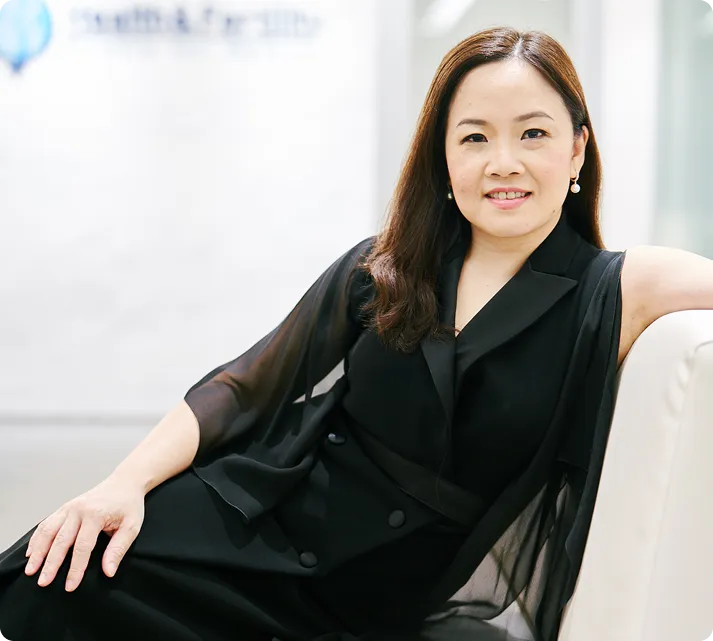
If you are unsure whether it is the right time to seek help, a consultation can provide personalised guidance based on your situation. At the Health & Fertility Centre for Women, led by Dr Kelly Loi, care is centred on clear communication and supportive fertility management tailored to each individual. Schedule an appointment and take the next step towards better understanding of your reproductive health and receive the right support at the right time.