


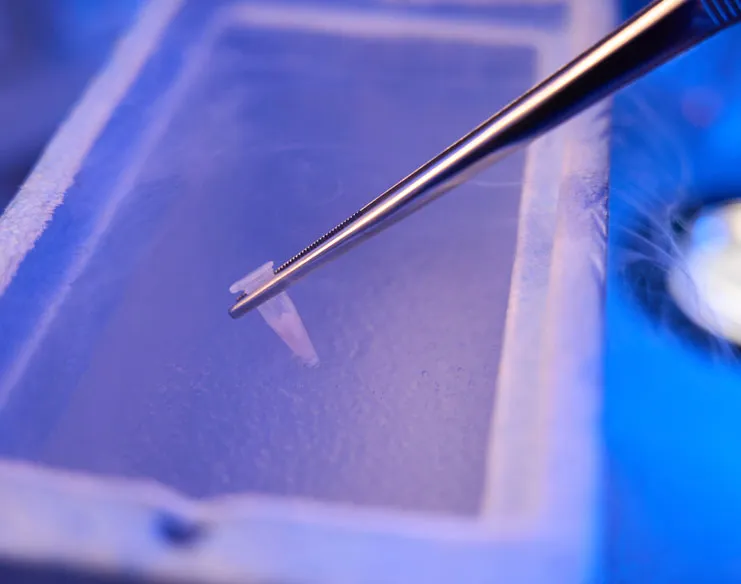
As more women choose to delay parenthood for career, personal or relationship reasons, egg freezing has become an increasingly popular option for preserving fertility. One of the most common questions women ask is “When is the best time to freeze my eggs?”. While advances in reproductive medicine have made egg freezing more accessible, the answer largely depends on age and egg quality.
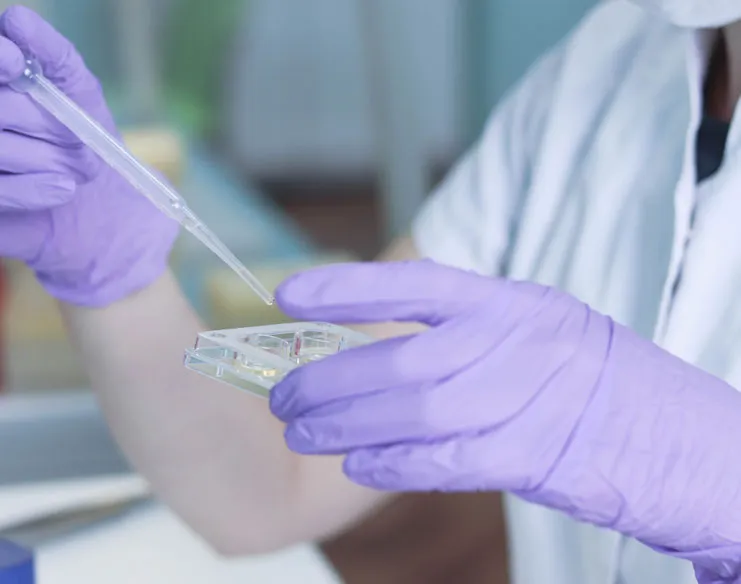
Choosing between a fresh embryo transfer and a frozen embryo transfer is one of the most important decisions during an in-vitro fertilisation (IVF) journey. While both approaches aim to achieve a healthy pregnancy, they differ in timing, preparation, success rates, potential benefits and suitability for different fertility situations.
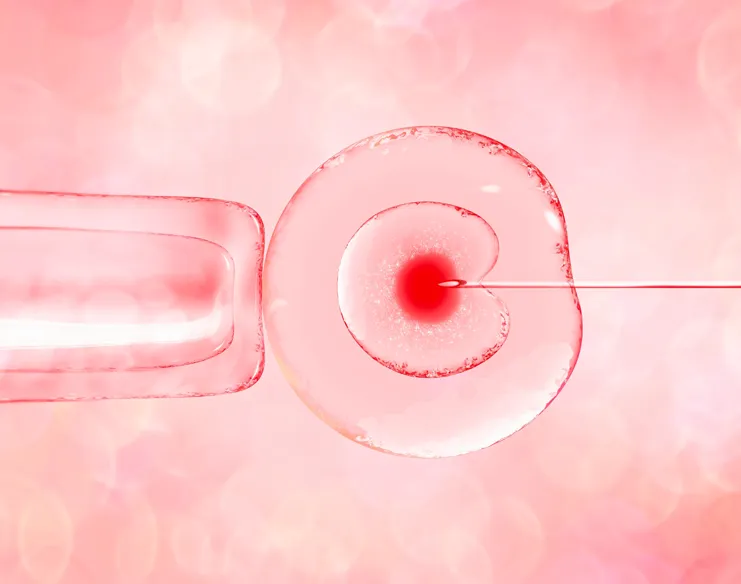
For many couples undergoing IVF, understanding what happens to their eggs, sperm and developing embryos can be an important part of their fertility journey. This sense of clarity can help them feel more emotionally reassured during the treatment period and allows them to better understand the updates that they will receive while waiting for their final results.

A successful IVF often requires multiple egg cells in order to improve the chances of fertilisation and healthy embryo development. To collect these samples, fertility specialists often prescribe hormone stimulation medications to encourage the ovaries to release several eggs at once, which are then collected for IVF treatment.

Health screening plays an important role in helping women monitor their health and detect potential medical conditions early, often before symptoms develop. As women move through different stages of life, their health risks and screening needs may also change, making regular preventive care an important part of long-term wellbeing.

Endometriosis is a chronic gynaecological condition that can cause persistent pelvic pain, painful periods and fertility-related concerns that affect daily life and overall well-being. For some women, symptoms may become severe enough to interfere with work, relationships, exercise and routine activities, while others may experience ongoing discomfort despite medication or lifestyle adjustments.

In-vitro fertilisation (IVF) success rates can vary significantly between individuals and are influenced by factors such as age, egg quality, sperm health, embryo development and underlying reproductive conditions. While IVF success rates are often discussed in percentages, fertility specialists typically assess outcomes based on a broader combination of factors unique to each patient, including age, reproductive health, embryo quality and fertility history.
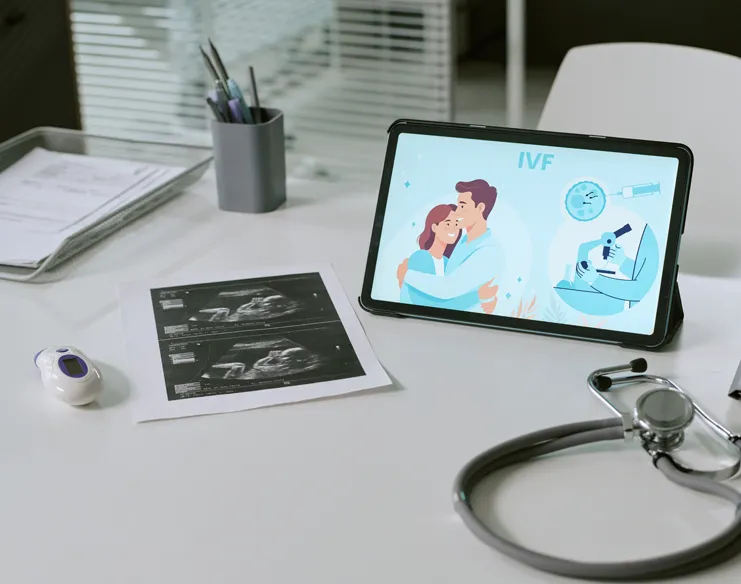
Sperm and egg quality play an important role in fertility, influencing fertilisation, embryo development and the chances of achieving a healthy pregnancy. While age is one of the most well-known factors affecting reproductive health, lifestyle habits, medical conditions and environmental exposures may also affect sperm and egg quality in both men and women.

Ovarian stimulation is the first stage of in-vitro fertilisation (IVF) treatment, where medications are used to help your ovaries produce multiple eggs in one cycle instead of the usual single egg. This increases the number of eggs available for fertilisation and may improve the chances of creating viable embryos.
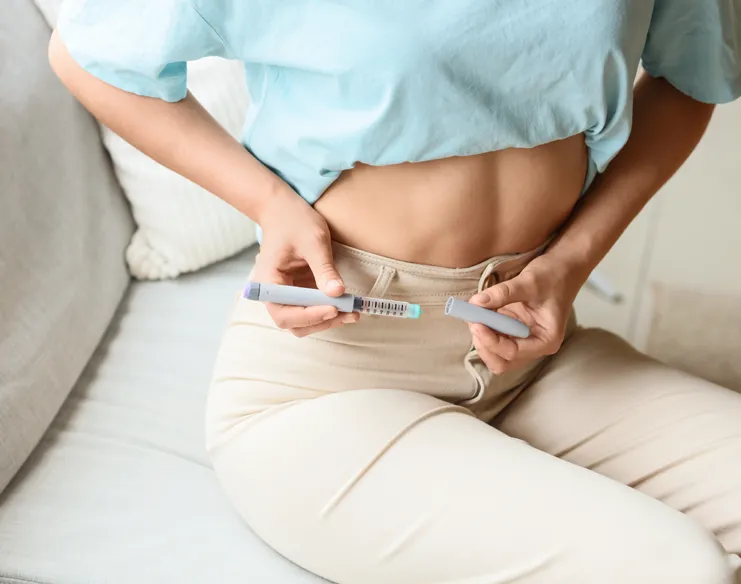
Ovarian stimulation is the first stage of in-vitro fertilisation (IVF) treatment, where medications are used to help your ovaries produce multiple eggs in one cycle instead of the usual single egg. This increases the number of eggs available for fertilisation and may improve the chances of creating viable embryos.
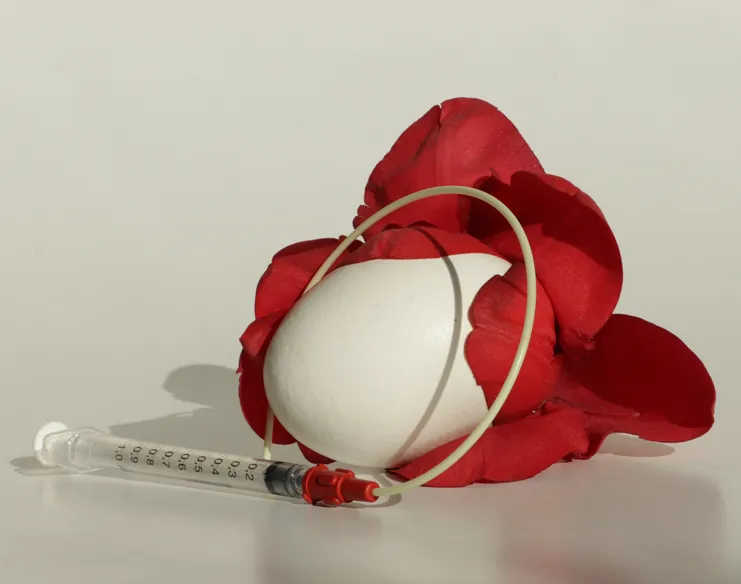
The two-week wait after intrauterine insemination (IUI) can feel like one of the most emotionally charged and uncertain periods in your fertility journey. Each day may bring heightened awareness of your body, along with a quiet mix of hope, anticipation and uncertainty. It is natural to find yourself analysing every change or symptom, while also trying to stay grounded and patient.
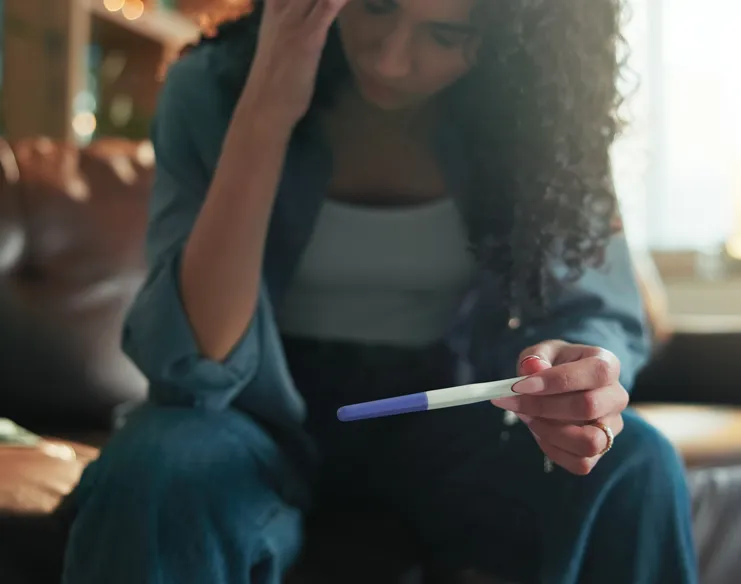
An IVF cycle may not result in pregnancy even when treatment is carefully planned and executed. This can happen due to factors such as embryo quality, chromosomal abnormalities, uterine conditions, or hormonal response.

You should consider seeing an IVF specialist if you have been trying to conceive for 12 months (under age 35) or 6 months (age 35 and above) without success. You may also need to seek help earlier if you have irregular menstrual cycles, known reproductive conditions, or previous pregnancy difficulties.
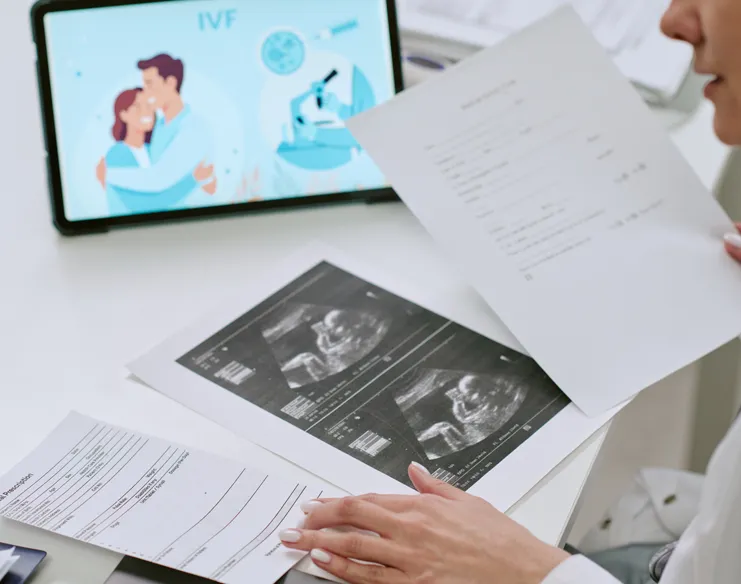
In-vitro fertilisation (IVF) is often thought of as a fixed, step-by-step procedure, but in reality, each journey unfolds differently. While there are standard protocols that provide a structured foundation for treatment, your plan is rarely identical to someone else's or rigid from start to finish. Instead, it is carefully adjusted based on how your body responds, your medical history and what unfolds at each stage of your cycle. This flexibility allows your care to feel more responsive and supportive, with refinements made along the way so that treatment works in harmony with your body rather than against it.
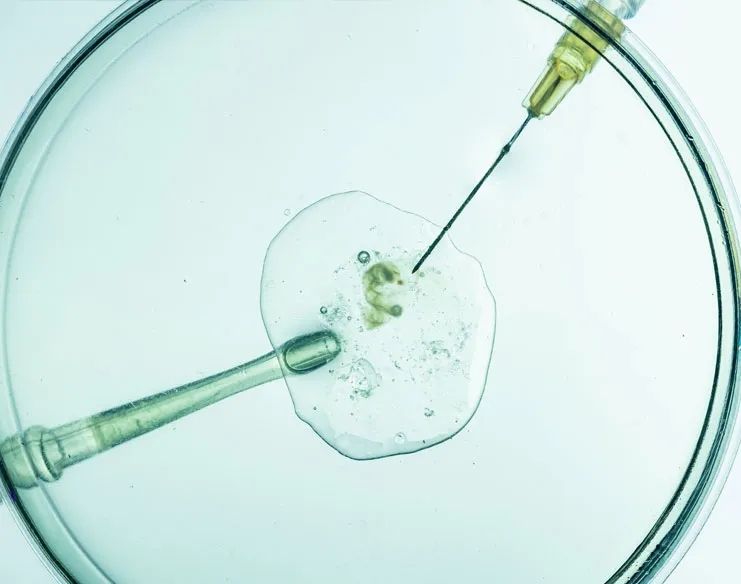
The number of IVF cycles needed to achieve pregnancy varies between individuals. Some patients conceive after one cycle, while others may require multiple attempts. Success depends on factors such as age, egg and sperm quality, and underlying fertility conditions. Doctors often focus on cumulative success rates across several cycles rather than a single attempt.

Adenomyosis can affect fertility by altering the structure and function of the uterus, which may make embryo implantation more difficult. However, not all women with adenomyosis experience infertility, and many are still able to conceive naturally or with medical support. Early diagnosis and personalised care can help improve reproductive outcomes.

Many women experience symptoms such as irregular periods, painful menstruation or difficulty conceiving at some point in their lives. Two conditions that are often mentioned in these conversations are endometriosis and polycystic ovary syndrome (PCOS). While they may share some overlapping symptoms, they are actually very different conditions with distinct causes, effects and treatment approaches. Understanding the differences between endometriosis and PCOS can help women recognise potential signs early and seek appropriate medical advice.
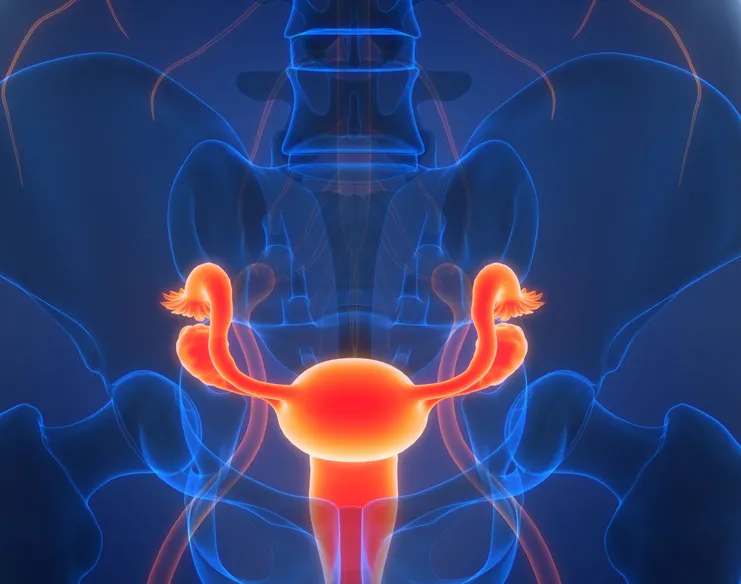
Today’s women wear many hats, balancing responsibilities at work, at home and in many other aspects of daily life. Amid the demands of modern living, taking charge of one’s personal health is just as important as managing these responsibilities. Prioritising your gynaecological health is a key part of maintaining your overall well-being, as it supports both reproductive and long-term health. Regular check-ups and early attention to potential concerns can help detect issues early and ensure appropriate care when needed.
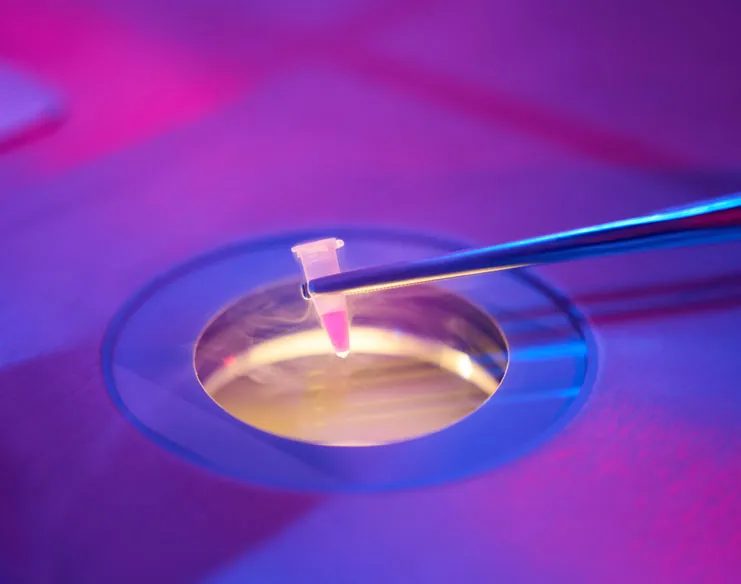
By the time women in Singapore reach their 30s, many of them will have given serious thought to family planning. However, the idea of motherhood may not feel compatible with their current life stage. They may not have found the right person to ...
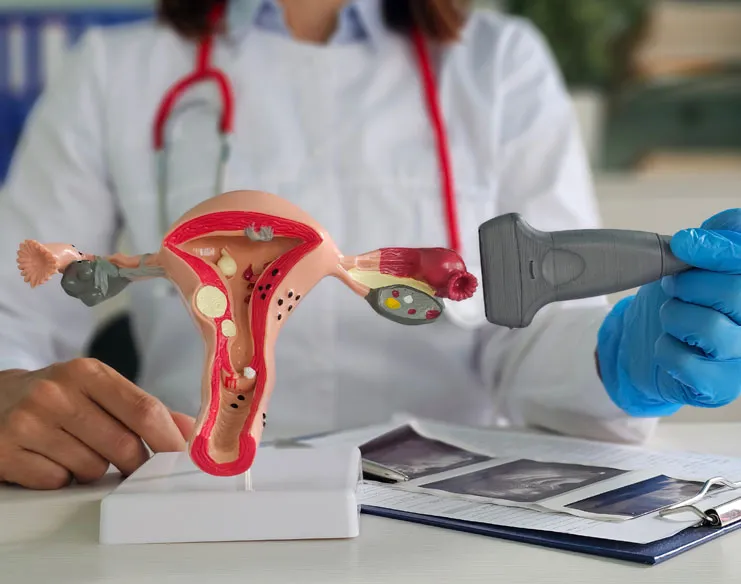
Many women only learn they have ovarian cysts during a routine ultrasound, often without noticing symptoms at all. This unexpected finding can naturally lead to worries about fertility, especially when planning for pregnancy. But while the word ...

During IVF, egg retrieval is a minor surgical procedure in which mature eggs are collected from the ovaries using ultrasound-guided aspiration under anaesthesia...
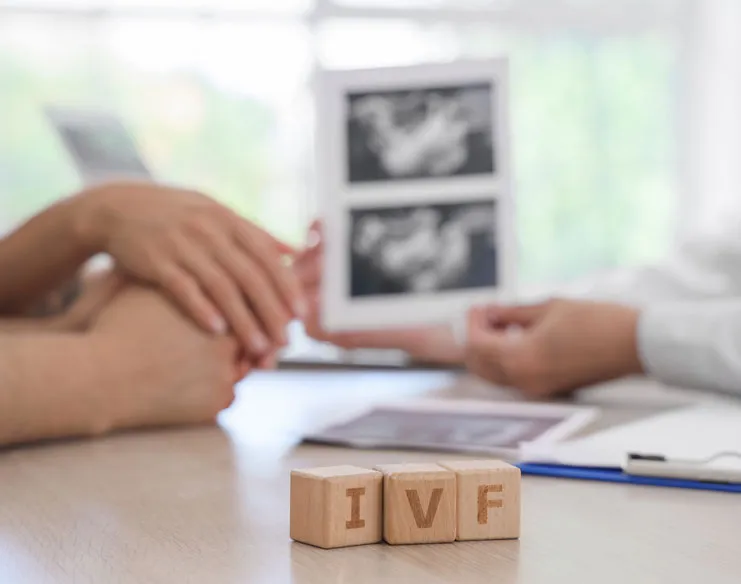
In-vitro fertilisation (IVF) cycle monitoring is the process of tracking hormonal changes and ovarian follicle development throughout the menstrual cycle using ultrasound scans and blood tests. It is a core component of IVF treatment that helps ...

Scheduling your first gynaecological visit is a significant step in every young woman's life, marking a proactive approach to your reproductive health. While the thought may initially seem daunting, being well-prepared and informed can transform ...
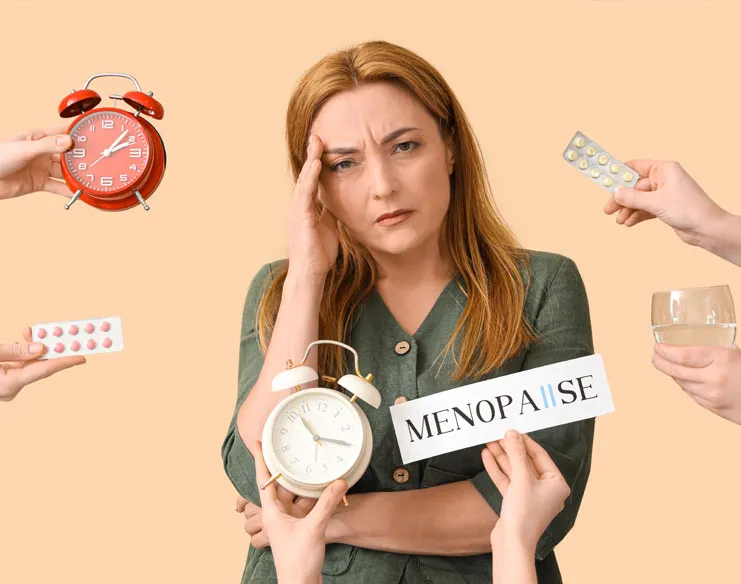
Menopause is a natural biological process experienced by every woman, marking the end of menstrual cycles and fertility. Typically occurring between the ages of 45 and 55, menopause can bring various physical and emotional changes. Understanding ...

Egg freezing, also known as oocyte cryopreservation, has become an increasingly popular method for women looking to preserve their fertility. Whether due to personal choices, career planning, or medical reasons, this reproductive technology ...
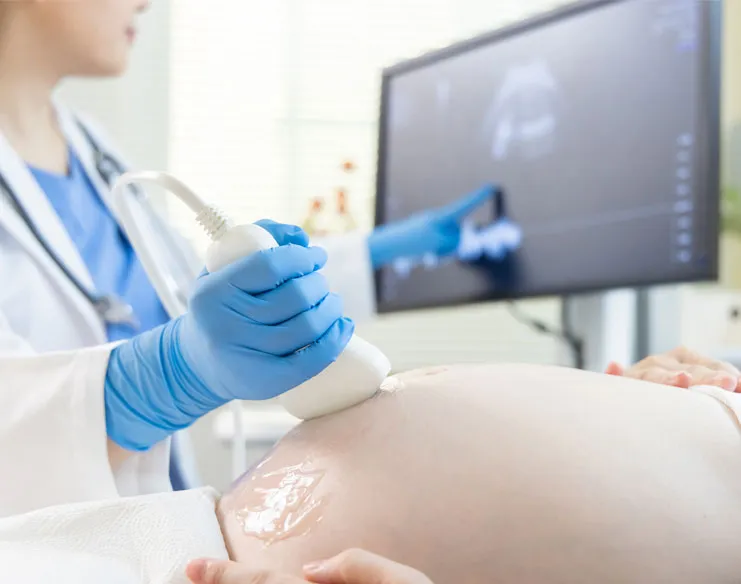
Pregnancy screening encompasses a range of tests and examinations performed throughout gestation. These are performed to assess the health and well-being of both the mother and her developing baby. Early detection of potential concerns through ...
Take the First Step Towards Your Health and Fertility Journey
— Schedule a Consultation at 6235 5066

Share your concerns with us
Thank you for considering our clinic. For further information, feel free to contact us at 6235 5066 or submit your enquiry using the form below. We will get back to you promptly.

3 Mount Elizabeth, #15-16, Mount Elizabeth Medical Centre, Singapore 228510
Tel: (65) 6235 5066Fax: (65) 6235 6455 Answering Service: (65) 6535 8833Email: info@healthfertility.com.sg